주파수 동기화 및 신호 획득
When using an acoustic camera, its PRPD detection frequency must first be set to match that of the equipment under test.
The equipment being tested is typically in operation within the power grid, and its fundamental frequencies are predominantly 60 Hz, 50 Hz, or 16.7 Hz (railway systems).
음향 카메라는 초음파 강도의 공간 분포를 감지하고 시간과 주파수에 걸쳐 음향 강도 신호를 표시합니다. 중심 위상 추정에는 원형 평균, 폰 미제스 분포, 위상 히스토그램과 같은 방법이 사용됩니다. 한편, PRPD 패턴은 에너지 분포의 확률적 모델을 얻기 위해 최대 우도 추정을 사용하여 구성되어 후속 분류 또는 임계값 지정에 사용할 수 있는 최대 로그 우도 값을 산출합니다.
수학적 방법: 최대 우도 단계 정렬
일련의 부분 방전 펄스가 수집되었다고 가정합니다:
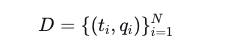
여기서:
- ti: occurrence time of the -th pulse;
- qi: amplitude, apparent charge, or energy of the -th pulse;
- N: total number of pulses.
If the power frequency is (e.g., 50 Hz), the phase corresponding to each pulse can be written as:

The key unknown quantity here Δϕ is , i.e., the phase offset.
Consider a certain class of PRPD patterns as a probability distribution P(q,ϕ), , which represents the probability of a PD pulse occurring near phase ϕ and amplitude q. Given a specific phase offset Δϕ , the joint probability of all observed pulses is:

실제로는 수치적 언더플로우를 피하기 위해 로그를 사용합니다:

최대 우도 추정은 이 로그 우도를 최대화하는 추정을 찾습니다:

직관적 이해93b673b1fc64a4a8f17f4384506648fPRPD 패턴은 위상 축을 따라 지속적으로 주기적으로 이동됩니다. 전류 펄스를 기준 분포와 가장 잘 일치시키는 이동 각도는 최적의 위상 정렬로 간주됩니다.
부분 방전 패턴의 확률적 모델링
폰 미제스를 사용한 위상 분포 Mixture
잡음 분리 및 청정 에너지 맵
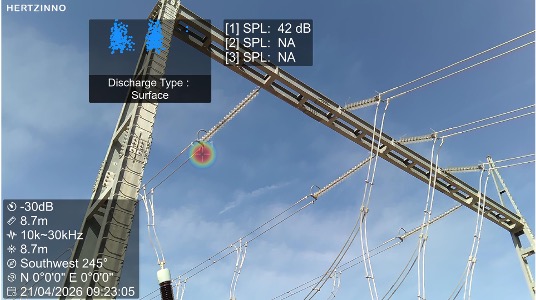
Common types of partial discharge include positive corona, negative corona, surface discharge, and floating discharge. Their discharge characteristics are well defined and typically concentrated around two phase regions, conforming to the von Mises distribution—that is, their discharge models follow a normal distribution on a circular variable.
Hence, the phase distribution can be expressed as:

현장 데이터를 PRPD의 2차원 확률 히스토그램과 결합하여 표준 에너지 분포 맵을 얻을 수 있으며, 충격성 잡음을 효과적으로 필터링하고 깨끗한 분포 확률을 얻을 수 있습니다. 측정 지점:
추가 신호 처리에서는 체계적인 편향을 줄이기 위해 사전 정보를 사용한 베이지안 추정 방법이 도입되었습니다. 따라서 PRPD 인식 알고리즘은 측정 중에 확률 추정 문제가 됩니다.

where:
- P(PD): the true PD distribution;
- Pnoise: the noise distribution;
- ϵ: the noise proportion.
Bayesian Estimation and Defect Classification
Prior Distribution
P(μ)
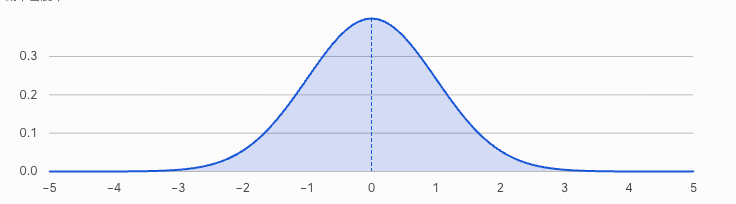
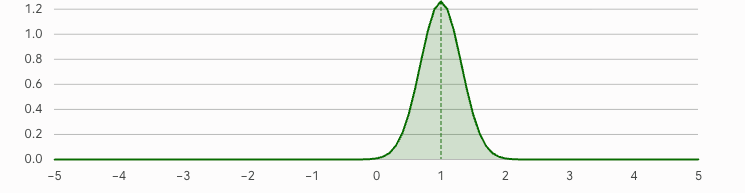
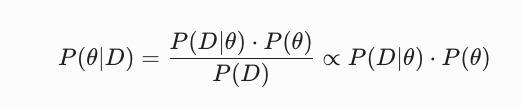
이 방법은 핵심 공식인 베이즈 정리에 의존합니다.
Bayesian estimation is a statistical inference method. Its core concept is not to find a single fixed parameter value, but to treat the parameter to be estimated as a random variable, using a probability distribution to describe the knowledge about that parameter.
D는 관찰된 data.
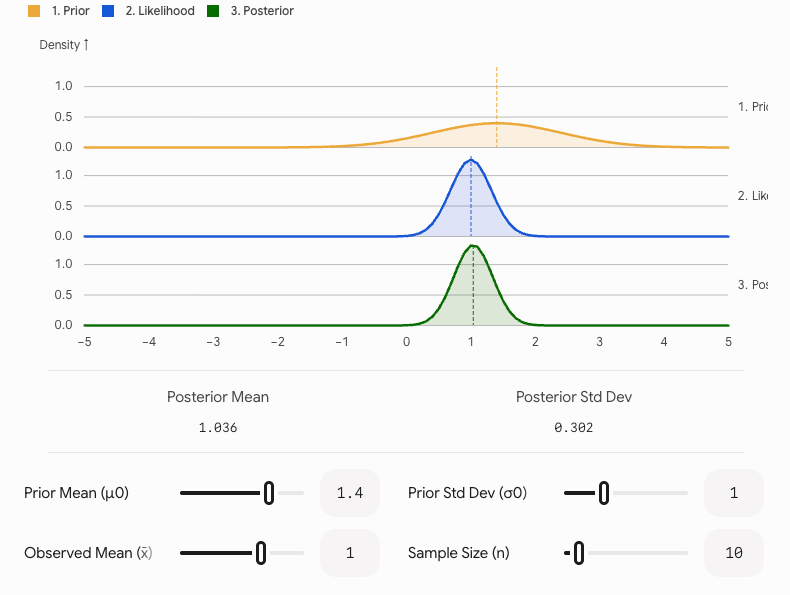
Here is the estimation visualization for a cse like observed mean as 1, prior mean as 1.4, Prior Std Dev as 1, and with a 80 samples size.
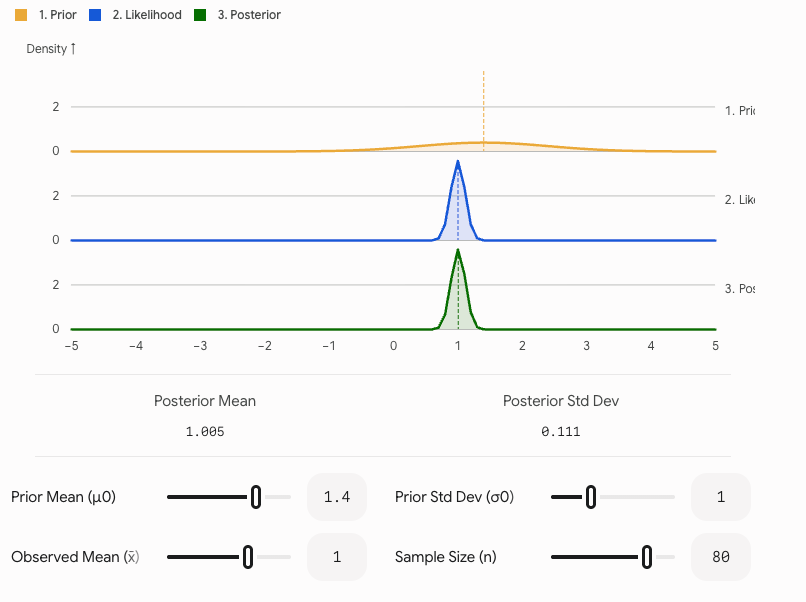
With sample numbers increase the ratio of currenction will be increased. so a circle, the camera gathering more than 50 times, so it can recognize the PRPD with a high accurrancy.
The algorithm assumes four defect categories: corona discharge, surface discharge, floating discharge, and noise (particle discharge). Each category has its own PRPD distribution, so a standard probability distribution can be used as the likelihood function for modeling, and the final detection result is obtained through Bayesian estimation.
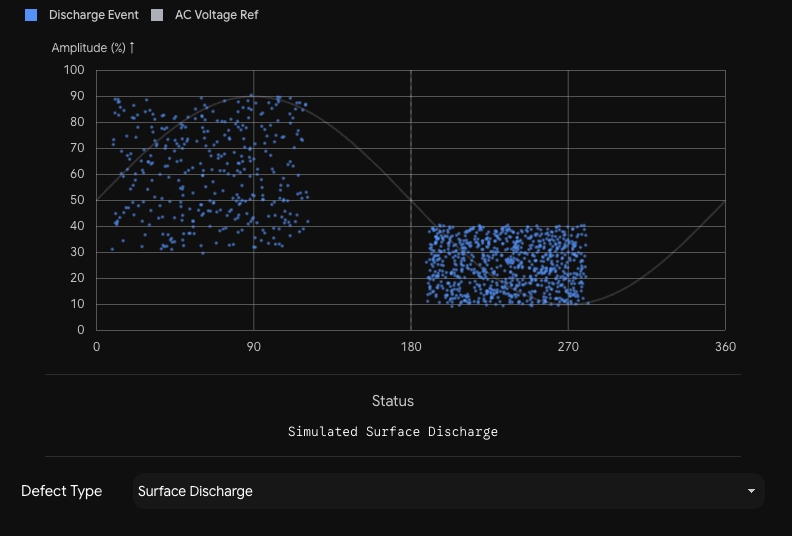
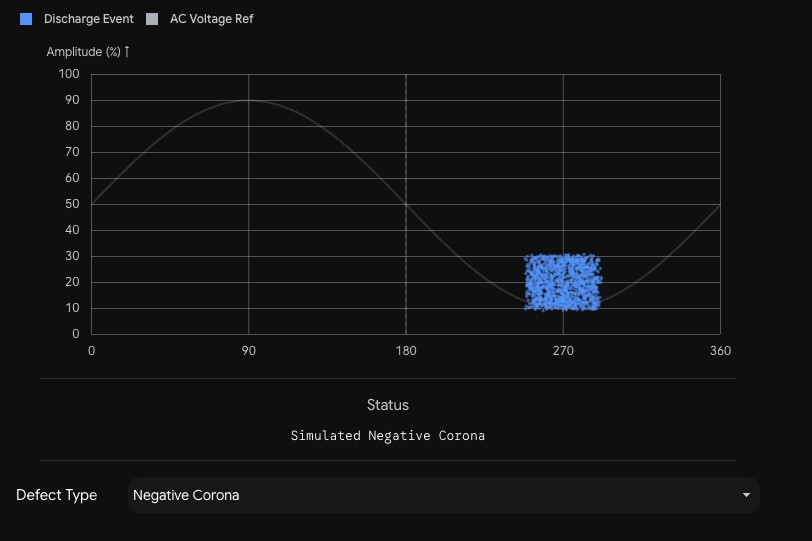
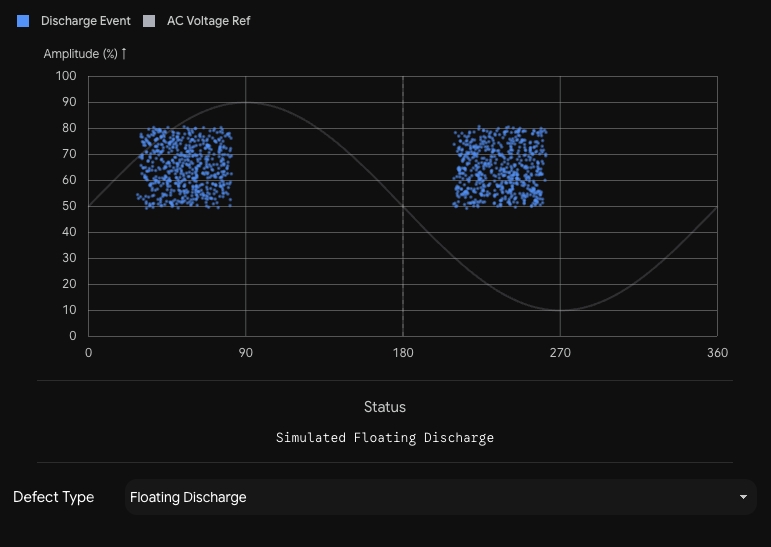
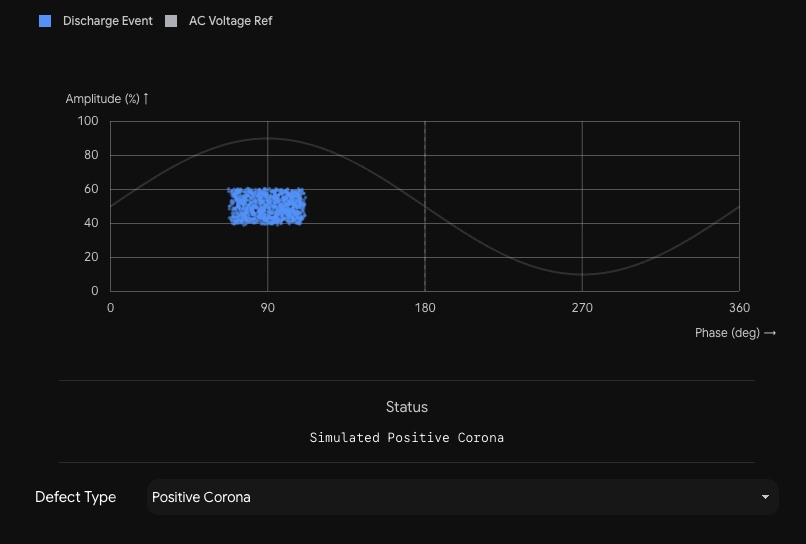
포지티브 코로나와 네거티브 코로나는 물리적으로 구별할 수 있지만 음향 카메라에는 전압 극성 기준이 부족하여 절대 전압 제로 크로싱을 결정할 수 없다는 점에 유의해야 합니다. 따라서 실제 인식 알고리즘에서는 양성 코로나와 음성 코로나가 하나의 "코로나 방전" 클래스로 통합됩니다. 이것이 바로 음향 카메라가 음극 코로나와 양극 코로나를 구별할 수 없는 이유입니다. 그럼에도 불구하고, 이러한 병합에도 불구하고 음향 카메라는 여전히 코로나 유형 방전의 전반적인 감지에 대해 높은 신뢰도의 결과를 제공할 수 있습니다.
AI 기반의 강력한 정렬 및 이상 징후 식별
유지 "불확실함" 언급93b673b1fc64a4a8f17f4384506648f위상 복원을 위한 자기 지도 학습
To further enhance system robustness in complex field environments, artificial intelligence is introduced to handle challenges such as noise interference, multi-source discharge superposition, sensor variability, and unstable phase references. The AI model can directly output the phase offset Δϕ , a confidence score, the defect category, and an indication of whether multi-source superposition is present.
훈련 단계 동안 자기 지도 학습 전략이 대규모 샘플을 자동으로 구성하기 위해 채택됩니다: 인공 무작위 순환 이동 (예: , , )이 PRPD 패턴에 적용되고 모델은 이 오프셋을 예측하는 임무를 맡습니다. 이는 수동 라벨링 없이 풍부한 훈련 데이터를 제공하고 모델이 섭동으로부터 실제 위상을 복구하는 방법을 학습할 수 있게 해줍니다.
The system retains an “uncertain” state: when the PRPD pattern is too sparse, the noise level is excessively high, the defect type is unknown, or multi-source superposition is evident, the model does not force an alignment. Instead, it returns a low confidence or rejects the judgment, thereby avoiding misclassification.
미분 위상 변이 층
모델 아키텍처 측면에서 미분 가능한 위상 변이 층(원형 변이 구조와 유사) 공간 변환기 네트워크에서)를 내장할 수 있으므로 입력 패턴이 내부 참조 템플릿과 가장 잘 일치하도록 네트워크가 순방향 전파 중에 최적의 위상 변환을 자동으로 검색하여 종단 간 위상 정렬을 달성할 수 있습니다.
위상 불변 분류
목표가 결함 유형을 식별하는 것뿐이고 절대 위상을 복구하는 것이 아닌 경우 위상 불변 분류 전략을 사용할 수 있습니다. 데이터 증대 중에 PRPD 패턴은 무작위로 회전되어 모델이 절대 위상 위치와 무관한 "모양 특징"을 학습하도록 합니다. 이를 통해 위상 회전에 영향을 받지 않고 정확한 정렬 없이도 결함 유형을 정확하게 구별할 수 있는 분류기가 생성됩니다.
Phase-Invariant Classification
When the objective is only to identify the defect type and not to recover the absolute phase, a phase-invariant classification strategy can be employed. During data augmentation, the PRPD patterns are randomly rotated, forcing the model to learn “shape features” that are independent of absolute phase position. This yields a classifier insensitive to phase rotation, capable of accurately distinguishing defect types even without precise alignment.